

When Is High Blood Pressure a Medical Emergency? Warning Signs You Should Never Ignore
High Blood Pressure (Hypertension) is one of the most common health conditions worldwide. Millions of people live with elevated blood pressure for years without experiencing obvious symptoms. However, there are situations where high blood pressure can suddenly become a life-threatening medical emergency.
Many people assume that a high BP reading is not a serious concern if they feel normal. Unfortunately, severely elevated blood pressure can damage critical organs such as the brain, heart, kidneys, and eyes within a short period of time.
Understanding the warning signs of a hypertensive emergency can help prevent serious complications such as stroke, heart attack, organ failure, and permanent neurological damage.
What Is High Blood Pressure?
Blood pressure is the force exerted by blood against the walls of your arteries as your heart pumps blood throughout the body.
A normal blood pressure reading is generally:
120/80 mmHg
Blood pressure is considered high when it consistently remains above:
140/90 mmHg
When left untreated, hypertension can silently damage blood vessels and vital organs over time.
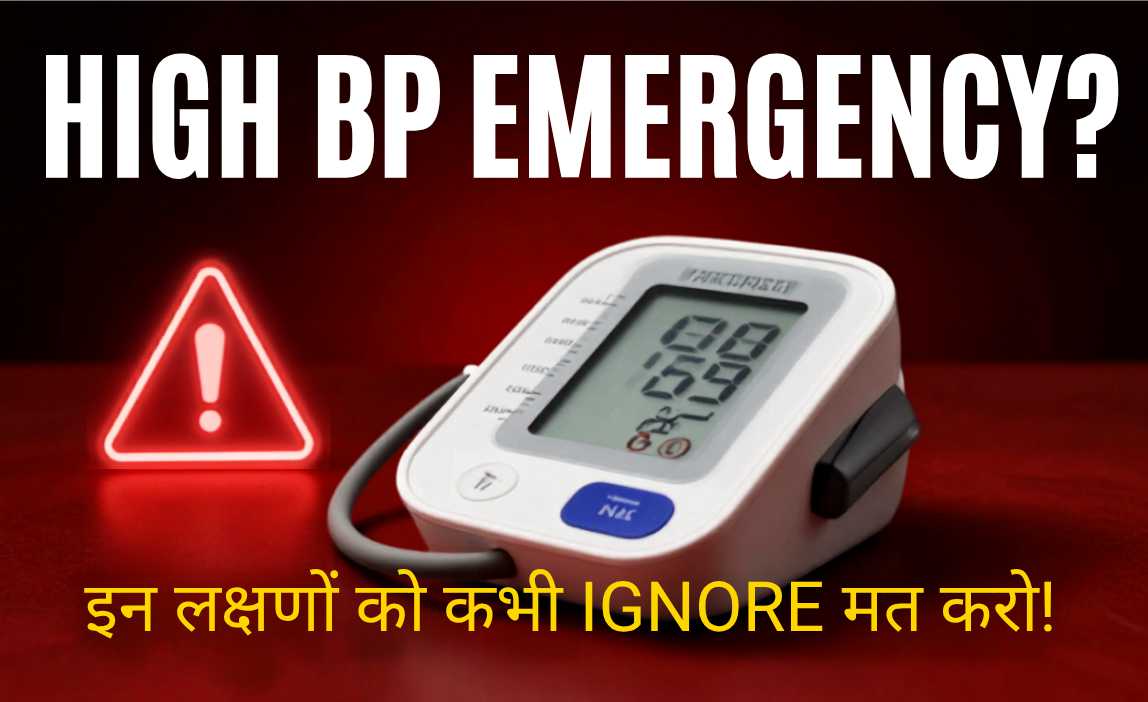
When Does High Blood Pressure Become a Medical Emergency?
A blood pressure reading of:
180/120 mmHg or higher
may indicate a condition known as a Hypertensive Crisis.
This condition is classified into two categories:
Hypertensive Urgency
Blood pressure is extremely high, but there is no immediate evidence of organ damage.
Hypertensive Emergency
Blood pressure is extremely high and is causing damage to organs such as the brain, heart, kidneys, or eyes.
A hypertensive emergency requires immediate medical attention and hospitalization
Warning Signs of a Hypertensive Emergency
Seek immediate medical care if high blood pressure is accompanied by any of the following symptoms:
Severe Headache
A sudden, intense headache that feels different from your usual headaches may indicate dangerously elevated blood pressure.
Chest Pain
Chest discomfort or pressure may suggest that the heart is under significant stress.
Shortness of Breath
Difficulty breathing may occur when high blood pressure affects the heart or lungs.
Blurred Vision
Damage to blood vessels in the eyes can cause sudden changes in vision.
Weakness or Numbness
Sudden weakness, numbness, or paralysis on one side of the body may indicate a stroke.
Difficulty Speaking
Slurred speech, confusion, or trouble communicating should never be ignored.
Dizziness or Loss of Consciousness
Severe hypertension can affect blood flow to the brain and may result in fainting or altered mental status.
High Blood Pressure and Stroke: Understanding the Connection
Uncontrolled hypertension is one of the leading causes of stroke.
When blood pressure remains elevated for a prolonged period, it can:
- Damage blood vessels in the brain
- Cause blood vessels to rupture (Brain Hemorrhage)
- Block blood flow to brain tissue
- Increase the risk of ischemic and hemorrhagic stroke
- Sudden facial drooping
- Weakness in the arm or leg
- Difficulty speaking
- Loss of balance
- Sudden vision changes
Immediate treatment is crucial because every minute counts during a stroke.
How High Blood Pressure Affects the Brain
Many people associate hypertension only with heart disease, but it can also significantly affect brain health.
Long-term uncontrolled hypertension may lead to:
- Brain Stroke
- Brain Hemorrhage
- Memory Problems
- Cognitive Decline
- Vascular Dementia
- Permanent Neurological Disabilities
This is why blood pressure control is essential for both heart and brain health.
What Should You Do During a High BP Emergency?
If blood pressure is extremely high and serious symptoms are present:
Do
- Seek emergency medical care immediately
- Stay calm and seated
- Take prescribed medications if advised by your doctor
- Keep a record of recent BP readings
Don’t
- Ignore symptoms
- Delay medical treatment
- Self-adjust medication doses
- Depend solely on home remedies
How to Prevent High Blood Pressure Emergencies
The best way to avoid a hypertensive crisis is through proper blood pressure management.
Lifestyle Tips
- Reduce salt intake
- Maintain a healthy weight
- Exercise regularly
- Avoid smoking and excessive alcohol consumption
- Manage stress effectively
- Get adequate sleep
- Monitor blood pressure regularly
- Follow prescribed treatment plans
When Should You Consult a Neurologist?
Because high blood pressure can affect the brain and nervous system, consultation with a neurologist may be necessary if you experience:
- Frequent severe headaches
- Dizziness
- Memory problems
- Speech difficulties
- Weakness in the limbs
- Stroke-like symptoms
Early neurological evaluation can help identify complications before they become severe.
FAQs
Q1. What blood pressure reading is considered a medical emergency?
A blood pressure reading of 180/120 mmHg or higher, especially when accompanied by symptoms such as chest pain, severe headache, or neurological changes, may indicate a hypertensive emergency.
Q2. Can high blood pressure cause a stroke?
Yes. Uncontrolled high blood pressure is one of the leading causes of stroke because it can damage or rupture blood vessels in the brain.
Q3. What are the warning signs of a hypertensive crisis?
Common warning signs include severe headache, chest pain, shortness of breath, blurred vision, confusion, weakness, and difficulty speaking.
Q4. Should I go to the hospital if my blood pressure is 180/120?
Yes. If your blood pressure is 180/120 mmHg or higher, especially with symptoms, seek immediate medical attention.
Q5. Can high blood pressure affect memory and brain function?
Yes. Long-term uncontrolled hypertension can increase the risk of memory loss, cognitive decline, and vascular dementia.
Note: This blog is for informational purposes only and should not replace professional medical advice.
.
𝐄𝐧𝐪𝐮𝐢𝐫𝐲 & 𝐀𝐩𝐩𝐨𝐢𝐧𝐭𝐦𝐞𝐧𝐭 : 𝟎𝟗𝟏𝟏𝟕𝟔 𝟎𝟎𝟔𝟎𝟎
𝐄𝐦𝐞𝐫𝐠𝐞𝐧𝐜𝐲 𝐚𝐧𝐝 𝐀𝐦𝐛𝐮𝐥𝐚𝐧𝐜𝐞: 𝟎𝟗𝟏𝟏𝟕𝟓𝟎𝟎 𝟓𝟎𝟎
𝐰𝐞𝐛𝐬𝐢𝐭𝐞 — https://medazhospital.com/best-neurology-hospital-patna/
𝗬𝗼𝘂𝘁𝘂𝗯𝗲 𝗟𝗶𝗻𝗸 –www.youtube.com/@medazhospital