



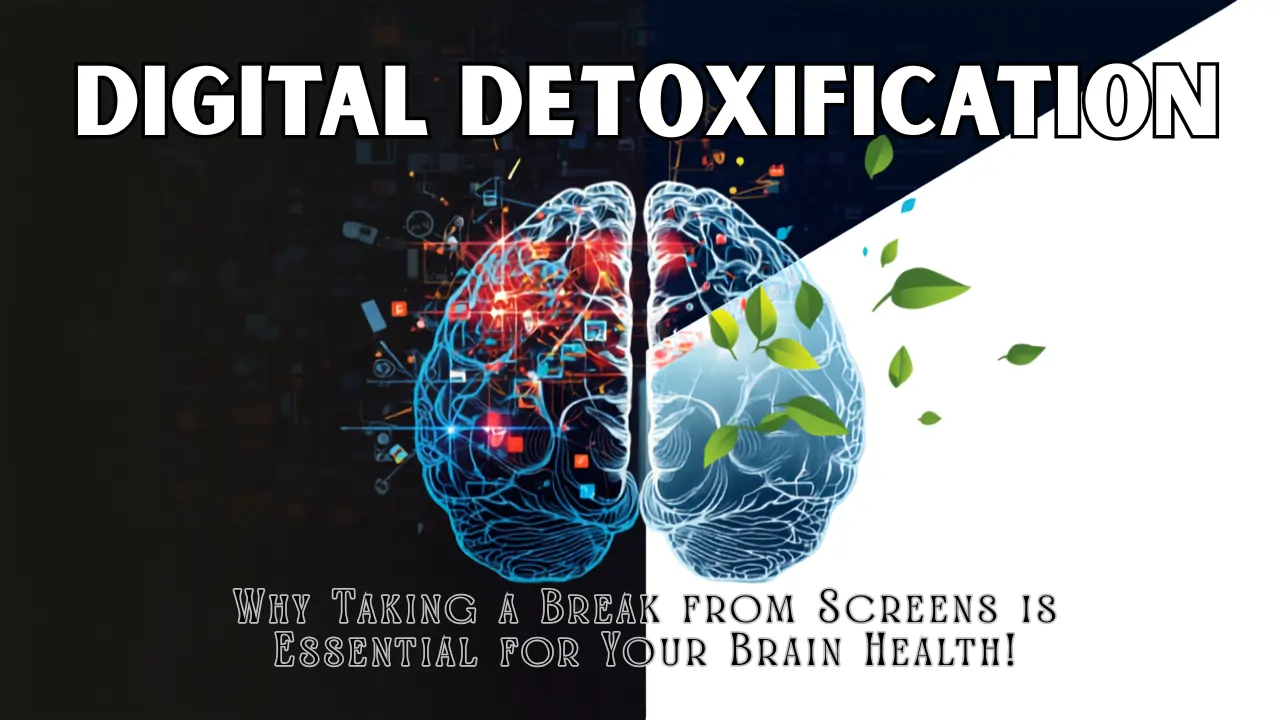
Digital Detoxification: Why Taking a Break from Screens is Essential for Your Brain Health
In today’s digital world, smartphones, laptops, tablets, and social media have become an essential part of our daily lives. Whether for work, education, entertainment, or communication, we spend several hours each day looking at screens. While technology has made life easier, excessive screen time can silently affect our brain health, sleep quality, concentration, emotional well-being, and overall neurological health. Many people experience headaches, mental fatigue, poor memory, anxiety, and disturbed sleep without realizing that prolonged digital exposure may be one of the contributing factors.
Digital Detoxification is not about giving up technology completely. Instead, it is about developing healthy digital habits that allow your brain to rest, recover, and function more efficiently. A balanced relationship with technology can significantly improve both mental health and neurological well-being.
What is Digital Detoxification?
Digital Detoxification refers to intentionally reducing or taking regular breaks from digital devices such as smartphones, computers, tablets, televisions, and social media platforms. The primary goal is to minimize digital overload, improve mental clarity, reduce stress, and promote healthier brain function.
Just as our body needs adequate rest after physical activity, our brain also requires time away from constant digital stimulation. Continuous notifications, endless scrolling, and prolonged screen exposure keep the brain in a state of constant alertness, making it difficult to relax and recover.
How Excessive Screen Time Affects Your Brain
Excessive screen time can influence brain function in several ways. Constant exposure to digital content increases cognitive load, making it harder to concentrate on a single task. Frequent notifications interrupt attention, reduce productivity, and may contribute to mental fatigue.
Long hours of screen exposure, particularly before bedtime, suppress the production of melatonin—the hormone responsible for regulating sleep quality. Poor sleep directly affects memory, learning ability, mood, and overall brain performance.
Many individuals also experience digital eye strain, headaches, neck pain, irritability, anxiety, and difficulty maintaining focus after prolonged screen use. Over time, these symptoms can negatively affect both personal and professional life.
Benefits of Digital Detoxification
Adopting healthy digital habits offers several benefits for brain health and overall well-being, including:
- Improved concentration and productivity
- Better sleep quality
- Reduced stress and anxiety
- Enhanced memory and cognitive performance
- Improved emotional well-being
- Reduced digital eye strain and headaches
- Better work-life balance
- Stronger social relationships through meaningful face-to-face interactions
Even short daily breaks from digital devices can help restore mental energy and improve focus.
Simple Tips for a Healthy Digital Detox
A successful Digital Detox does not require eliminating technology completely. Small lifestyle changes can make a significant difference.
- Set daily screen-time limits for social media and entertainment apps.
- Avoid using smartphones at least one hour before bedtime.
- Create screen-free zones such as the dining table and bedroom.
- Turn off unnecessary notifications to reduce distractions.
- Take regular breaks using the 20-20-20 rule to reduce digital eye strain.
- Spend more time outdoors, exercising, reading books, or pursuing hobbies.
- Practice mindfulness, meditation, or deep breathing exercises to relax the mind.
- Encourage children to participate in physical activities instead of spending excessive time on screens.
Consistency is more important than perfection. Even a few hours of intentional Digital Detoxification each week can positively impact brain health.
When Should You Consult a Neurologist?
While occasional digital fatigue is common, persistent neurological symptoms should never be ignored. Consult a Neurologist if you experience:
- Frequent or severe headaches
- Persistent dizziness
- Difficulty concentrating
- Memory problems
- Sleep disturbances that continue despite lifestyle changes
- Numbness or weakness
- Vision changes
- Seizures or episodes of loss of consciousness
These symptoms may not always be related to screen use and require proper neurological evaluation.
Conclusion
Technology is an indispensable part of modern life, but maintaining a healthy balance is equally important. Digital Detoxification allows your brain to recover from constant stimulation, improves focus, enhances sleep quality, and supports long-term brain health. By adopting mindful digital habits and recognizing early warning signs, you can protect your brain and improve your overall quality of life.
If you are experiencing persistent headaches, sleep disturbances, memory issues, dizziness, or other neurological symptoms, consult an experienced Neurologist for a comprehensive evaluation. Early diagnosis and appropriate medical guidance can help identify underlying neurological conditions and ensure timely treatment.
Frequently Asked Questions (FAQs)
1. What is Digital Detoxification?
Digital Detoxification is the practice of reducing or temporarily avoiding digital devices such as smartphones, computers, tablets, and social media to improve brain health, mental well-being, sleep quality, and overall productivity. Regular Digital Detox helps reduce stress, improve focus, and allows the brain to recover from continuous digital stimulation.
2. Can excessive screen time affect Brain Health?
Yes. Excessive screen time can negatively affect brain health by contributing to poor concentration, mental fatigue, sleep disturbances, stress, anxiety, headaches, and reduced cognitive performance. Taking regular breaks from screens and following healthy digital habits can help protect your brain and improve overall neurological health.
3. How much screen time is considered too much?
There is no single limit that applies to everyone. However, prolonged recreational screen timewithout regular breaks may negatively affect both physical and mental health. Maintaining balanced screen habits, limiting unnecessary device use, and taking frequent breaks are recommended for better brain health.
4. Does Digital Detox improve sleep?
Yes. Digital Detoxification can significantly improve sleep quality by reducing exposure to blue light before bedtime. Less screen exposure supports healthy melatonin production, helping you fall asleep faster and improving overall brain function and mental well-being.
5. Is Digital Detox beneficial for children and teenagers?
Absolutely. Limiting unnecessary screen time encourages physical activity, better concentration, improved sleep quality, healthier brain development, stronger social interaction, and improved academic performance. Parents should encourage healthy digital habits from an early age.
6. When should I consult a Neurologist?
If you experience persistent headaches, dizziness, memory problems, poor concentration, sleep disturbances, numbness, seizures, or other neurological symptoms despite reducing screen time, consult an experienced Neurologist for a comprehensive neurological evaluation.
7. Can excessive screen time cause headaches and migraine?
Yes. Prolonged screen time may contribute to headaches, digital eye strain, and can trigger migraine attacks in susceptible individuals. If you frequently experience headaches or migraine despite reducing screen exposure, consult an experienced Neurologist in Patna, Neuro Doctor in Patna, or Headache Specialist for proper diagnosis and treatment.
8. Who should consult a Neurologist for screen-related neurological symptoms?
Individuals experiencing persistent headaches, dizziness, memory loss, poor concentration, sleep disorders, numbness, vision changes, or frequent migraine associated with excessive digital device use should seek medical advice. An experienced Neuro Physician in Patna, Brain Specialist in Patna, or Best Neurologist in Patna can determine whether these symptoms are related to lifestyle factors or an underlying neurological condition.
9. Where can I consult an experienced Neurologist for Brain Health concerns?
If you are looking for a Best Neurologist in Patna, Neurologist in Bihar, Neuro Hospital in Patna, or a trusted Neurology Hospital in Patna, Medaz Hospital offers comprehensive neurological care for headaches, migraine, sleep disorders, memory problems, dizziness, epilepsy, stroke, Parkinson’s disease, and other brain and nerve-related conditions under the guidance of experienced neurology specialists.
Note: This blog is for informational purposes only and should not replace professional medical advice.
𝐀𝐩𝐩𝐨𝐢𝐧𝐭𝐦𝐞𝐧𝐭 : www.medazhospital.com
𝐄𝐧𝐪𝐮𝐢𝐫𝐲 & 𝐀𝐩𝐩𝐨𝐢𝐧𝐭𝐦𝐞𝐧𝐭 : 𝟎𝟗𝟏𝟏𝟕𝟔 𝟎𝟎𝟔𝟎𝟎
𝐄𝐦𝐞𝐫𝐠𝐞𝐧𝐜𝐲 𝐚𝐧𝐝 𝐀𝐦𝐛𝐮𝐥𝐚𝐧𝐜𝐞: 𝟎𝟗𝟏𝟏𝟕𝟓𝟎𝟎 𝟓𝟎𝟎
𝐰𝐞𝐛𝐬𝐢𝐭𝐞 — https://medazhospital.com/best-neurology-hospital-patna/
𝗬𝗼𝘂𝘁𝘂𝗯𝗲 𝗟𝗶𝗻𝗸 –www.youtube.com/@medazhospital